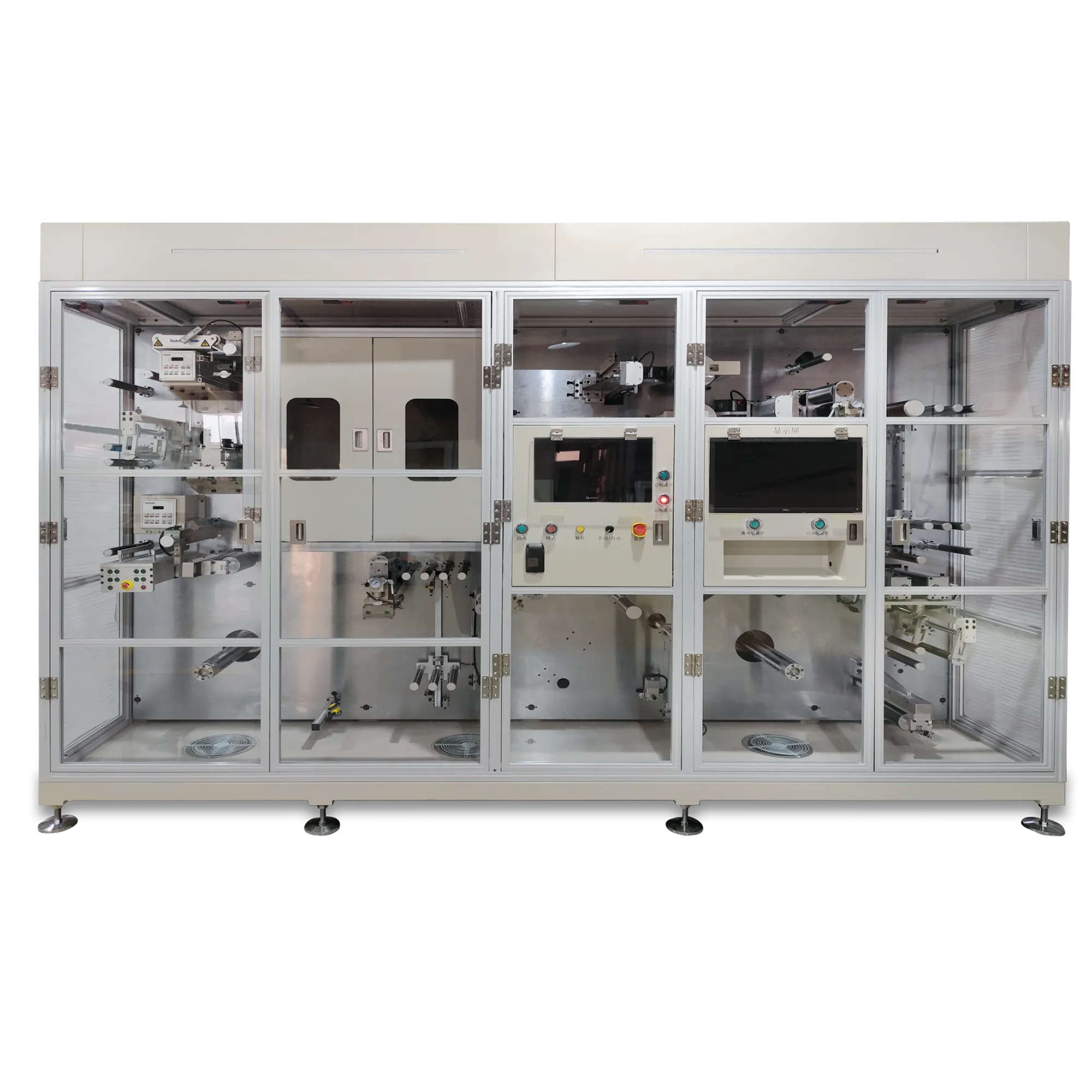
Laser Electrode Grooving Machine

USE CASES

Uses laser scribing to form functional micro-groove structures on electrode surfaces.

Why this machine: This is a completely new, purpose-built machine designed from the ground up to increase electrolyte storage and directly elevate cell performance. It is not an incremental improvement on existing methods, but a revolutionary solution to the critical bottleneck of limited electrolyte capacity in battery design.

Ideal User: Cell manufacturers and R&D teams targeting higher energy density, longer cycle life, and superior fast-charging capabilities, especially those working on advanced chemistries like solid-state and high-nickel NCM where increased electrolyte volume is key to unlocking next-level performance.

When to choose: Choose this machine when your cell design strategy hinges on boosting electrolyte storage to drive direct improvements in electrochemical performance, cycle stability, and fast-charging capabilities.

Related Equipment: Laser notching & cutting machine . Stacking (Lamination) machine . Automatic welding machine

Equipment Features

These features enable controlled laser surface structuring and traceability processing while preserving electrode integrity and coating stability.

  • – Continuous laser etching with precise energy control
  • – User-friendly graphical operation interface
  • – High-performance Ether CAT bus control
  • – Multi-stage dust removal system for clean processing
  • – Non-contact, damage-free grooving & high-contrast scribing
  • – Traceable processing while preserving electrode integrity

Equipment Functions

This machine performs scribing and grooving on negative electrode sheets to enhance electrolyte storage and cell performance.

Its key functions include:

  • – Manual coil loading & automatic unwinding
  • – High-precision feeding to laser scribing station
  • – Continuous laser processing on both sides
  • – Dust collection & surface cleaning
  • – CCD inspection & defective product labeling
  • – Automatic winding & manual unloading


Technical Parameters

L1 accuracy ±1mm size ≥1mm
L2 accuracy ±0.1mm size ≥1mm
L3 accuracy /
H accuracy ±4μm size: 10-60μm
W accuracy ±15μm size: 90-150μm
W1 accuracy ±0.5 size: ≤160μm
W2 accuracy ±0.5 ≥ 2mm
W3 accuracy ±0.5 ≥ 2mm
Scribing center distance L2 =2mm
Scribing length W1 ≤80mm
Production speed ≥32m/min
First-pass yield (FPY) ≥99.5%
Equipment utilization rate ≥98%
Power 2KW
Weight 4.5T
Equipment dimension (reference) 3500×2000×2500mm (LxWxH)


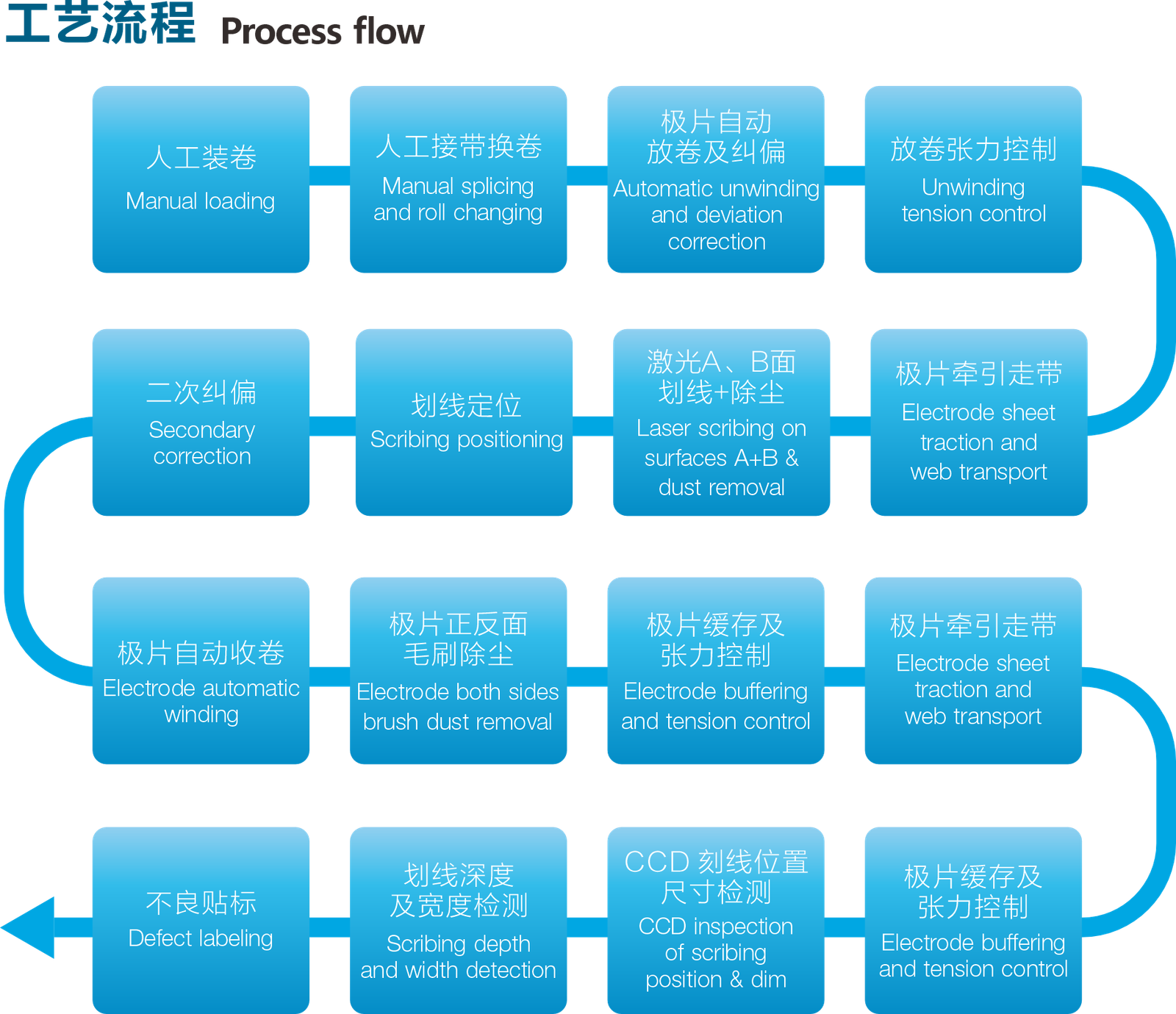
Process Flow

This section outlines how the Laser Scribing Machine integrates into electrode surface preparation.

  1. Manual loading
  2. Manual splicing and roll changing
  3. Automatic unwinding and deviation correction
  4. Unwinding tension control
  5. Secondary correction
  6. Scribing positioning
  7. Laser scribing on surfaces A+B & dust removal
  8. Electrode sheet traction and web transport
  9. Electrode buffering and tension control
  10. Electrode sheet traction and web transport
  11. electrodeboth sides brush dust removal
  12. Electrodeautomatic winding
  13. Electrode buffering and tension control
  14. CCD inspection of scribing position & dim.
  15. Scribing depth and widthdetection
  16. Defect labeling


Packing & Delivery

Packaging focuses on laser sources and marking accuracy components.

→view packaging standards

Innovation & Patents

No dedicated patent is applied to this model. The equipment utilizes established engineering configurations optimized for reliability and process compatibility.

Certifications & Compliance

→View Certifications & Compliance


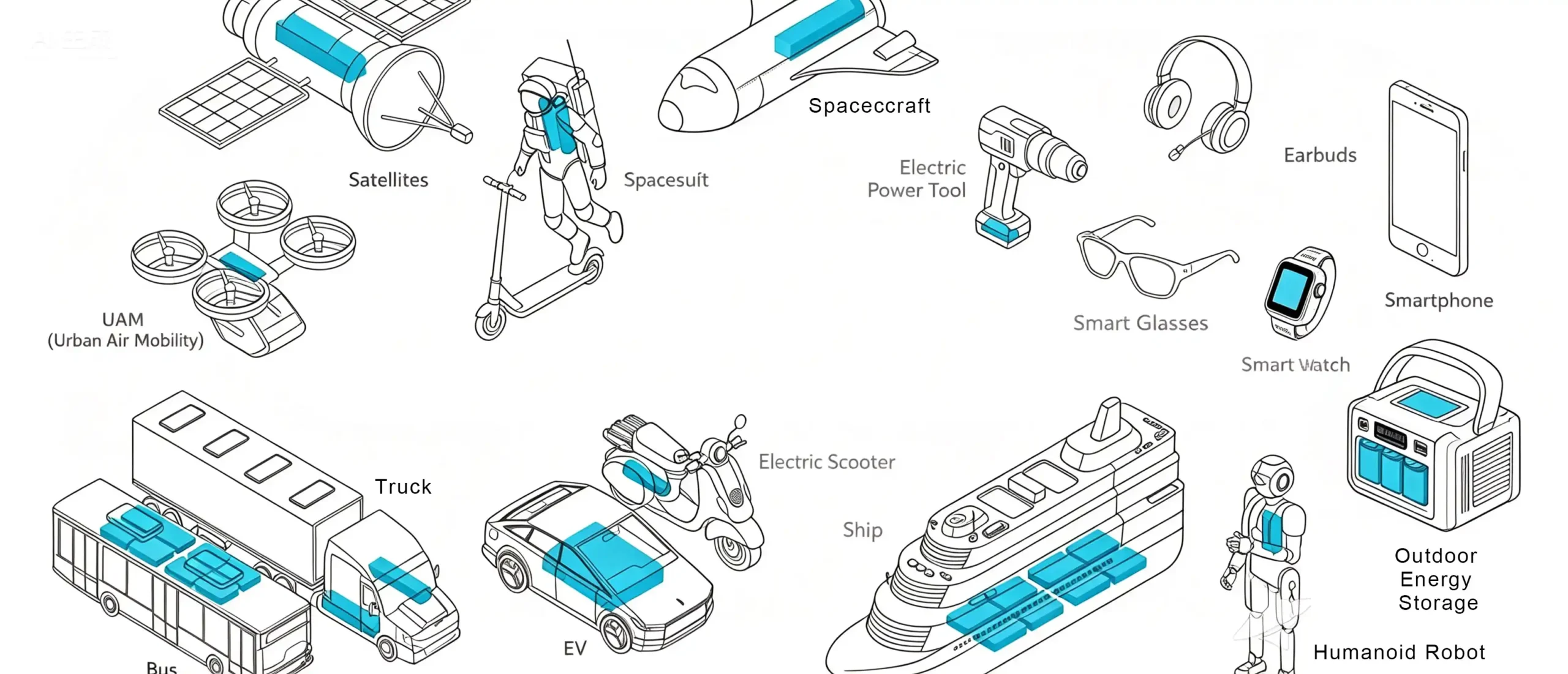
End Applications

Send Us a Message

Tell us about your project requirements, equipment needs, or technical questions. Our team will get back to you as soon as possible.